

This story was supported by the Pulitzer Center. It first appeared on The War Horse, an award-winning nonprofit news organization educating the public on military service. Subscribe to their newsletter.
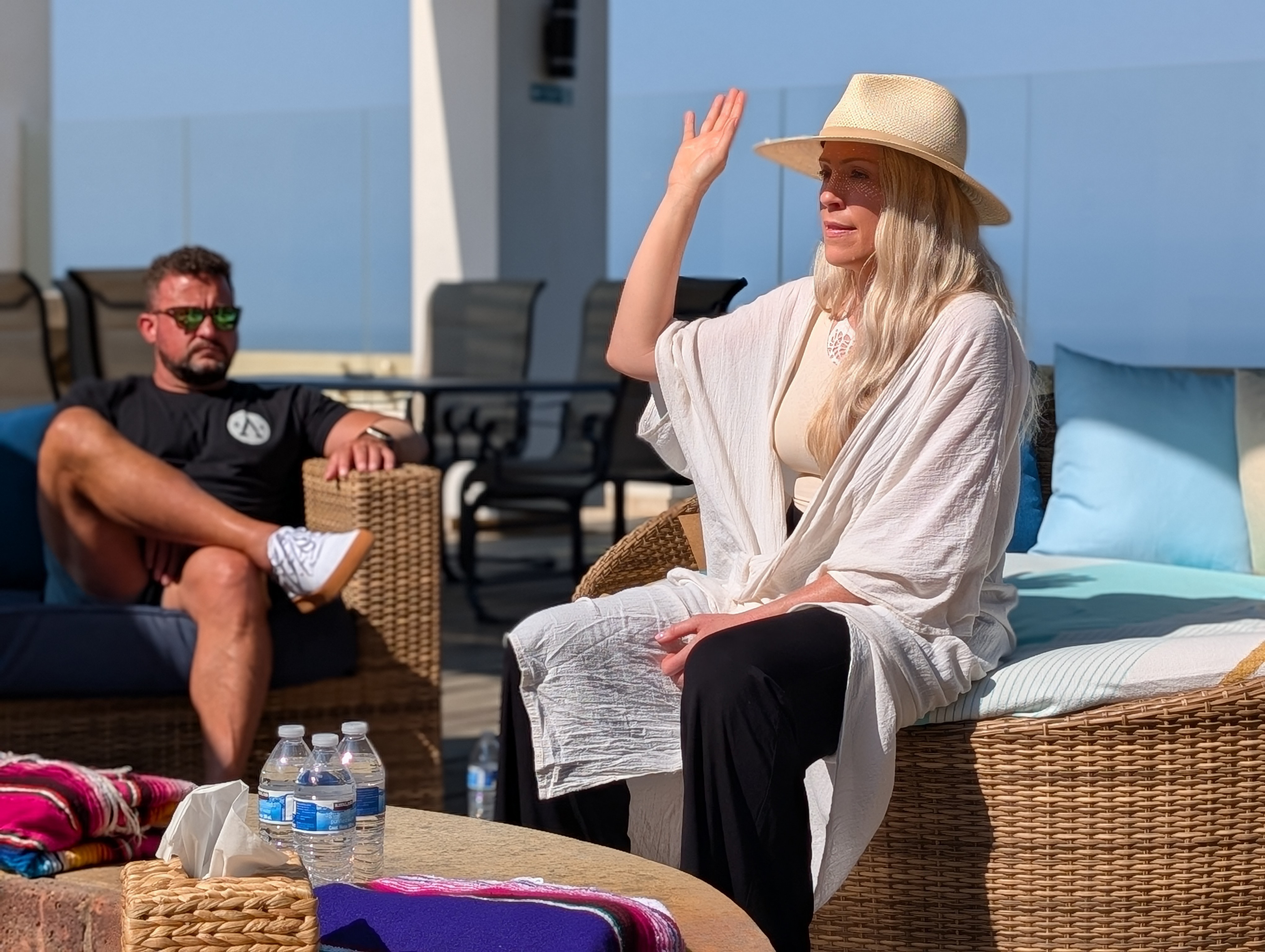
Marc Dervaes sat straight-backed in a circle of 10 men at a clinic in Tijuana, Mexico. The glass window behind him looked out on a pool deck and the Pacific Ocean beyond.
Inside, sunglasses masked his eyes, and a beard grew down to his chest. His blank expression invited no sympathy, and Dervaes had none to give.
“I’m sorry if this offends anyone,” he said at the introductory circle, “but I really don’t care about any of you. I’m here for me.”
Dervaes knew the men would be curious about his amputation. He mentioned losing his right arm in Afghanistan but had no intention of sharing more.
Each man had his own reason to visit the clinic, where patients pay around $8,000 for a psychedelic treatment with little scientific backing. They all hoped suffering through a brain-bending, vomit-inducing, existential jolt would cure their ailments, which ranged from malaise to traumatic brain injury.
A veteran of the Iraq and Afghanistan wars, Dervaes had one foot in the grave before contacting Ambio Life Sciences. Two months earlier, he had spent two days in a hospital back home in Colorado Springs with alcohol poisoning that he hoped would end his life.
“Peace was totally gone in this house,” said Michaela Dervaes, his wife of 26 years.
Dervaes called the clinic after leaving the hospital. The earliest it could schedule him was April 2026—a nine-month wait. Dervaes told the man on the phone he would be dead by then.
Two companies operating clinics in Tijuana, Ambio Life Sciences and The Mission Within Center, say they have treated about 3,000 U.S. veterans in the last decade. Both use the psychedelics ibogaine—derived from the root of a central African shrub—and 5-MeO-DMT—a chemical secreted by the Sonoran desert toad. A common motivation among participants has emerged: The talk therapy and prescriptions offered by the Department of Veterans Affairs proved ineffective.
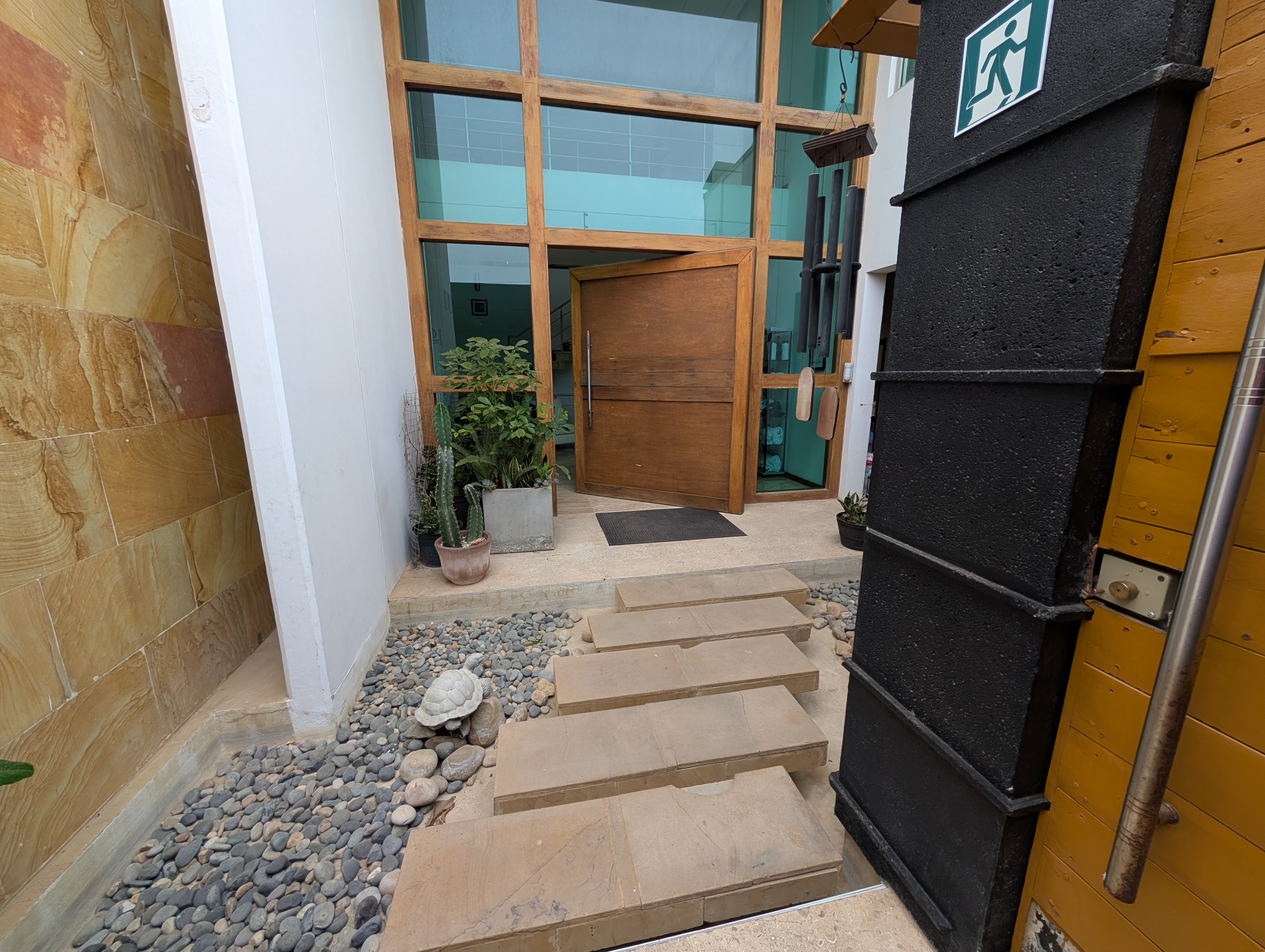
Every time Breanna Morgan opens the clinic’s oversized wooden door and shows patients into the foyer—where a half-dozen staffers wait to greet them—she assumes it’s the worst day of their lives.
“They’re not here because they really want to be here,” Morgan, Ambio’s guest experience manager, said in an interview. “They’re here because it’s their only option.”
“They’re not here because they really want to be here. They’re here because it’s their only option.”
This is the story of one of those guests—a broken veteran whose ibogaine experience would put him face-to-face with everyone in his life he had ever wronged. His tears would soak through the eye mask patients wear to limit sensory input.
Back home, confronted by another tragedy, Dervaes would quickly regret his visit to the cliffside mansion and resent the clinic that took thousands of dollars from him.
Then, four months later, he would return.
For decades, overseas drug rehab clinics have offered ibogaine to people addicted to cocaine and opioids. The drug’s use among military veterans has surged over the last four years. Despite support from veterans, a push for more research, and efforts by advocates to legalize the psychedelic treatment in the United States, much remains unknown about the drugs’ long-term effectiveness and safety.
The federal Drug Enforcement Administration considers both ibogaine and 5-MeO-DMT Schedule 1 substances, meaning the agency finds both have a high potential for abuse and no accepted medical use.
Psychedelic medicine advocates fear the expensive, decade-long process of bringing a new drug to market in the U.S. will adulterate both the drugs and the environments in which people take them.
Researchers, meanwhile, fear that the media hype and the proliferation of ceremonies replete with New Age rhetoric and dubious claims will undermine their efforts to gain FDA approval.
As debates play out at state legislatures and research conferences, it is here, in a coastal retreat center down the road from an open-air fruit stand, that veterans come in a desperate attempt to find relief.
Dervaes’ journey to the clinic began more than a decade ago. It was in September 2009 in eastern Afghanistan. Corn grew 8 feet high on either side of the unpaved road outside of Jalalabad.
Dervaes clutched the passenger’s seat grab handle as the mine-resistant ambush protected vehicle rumbled along. A platoon sergeant with 15 years as an Army infantryman under his belt, Dervaes felt invincible.
He had survived a bullet to his helmet during his first deployment to Iraq. On his second, he spent 16 grinding months guarding nighttime construction crews in Baghdad.
His convoy drove in a tight pack. That day, a gap formed between his truck and the three others ahead, Dervaes said. “The enemy took full advantage.”
Dervaes bent over a junction box to fiddle with a defective cord, his right arm still clutching the grab handle. When he looked up, he saw a man outside, a rocket-propelled grenade mounted on his shoulder aimed at Dervaes.
A big flash, pressure, and heat. Dervaes collapsed over the junction box. His right arm, wristwatch still attached, landed in the driver’s lap. He came to as the driver, his foot still on the gas, pulled Dervaes up by his helmet.
Another RPG shot through the passenger door and out the roof. The truck caught fire and filled with smoke. Chunks of flesh and bone covered the side of the cab. Dervaes heard screaming. “Someone else is hurt,” he thought. “Someone else in the truck is either dead or hurt.”
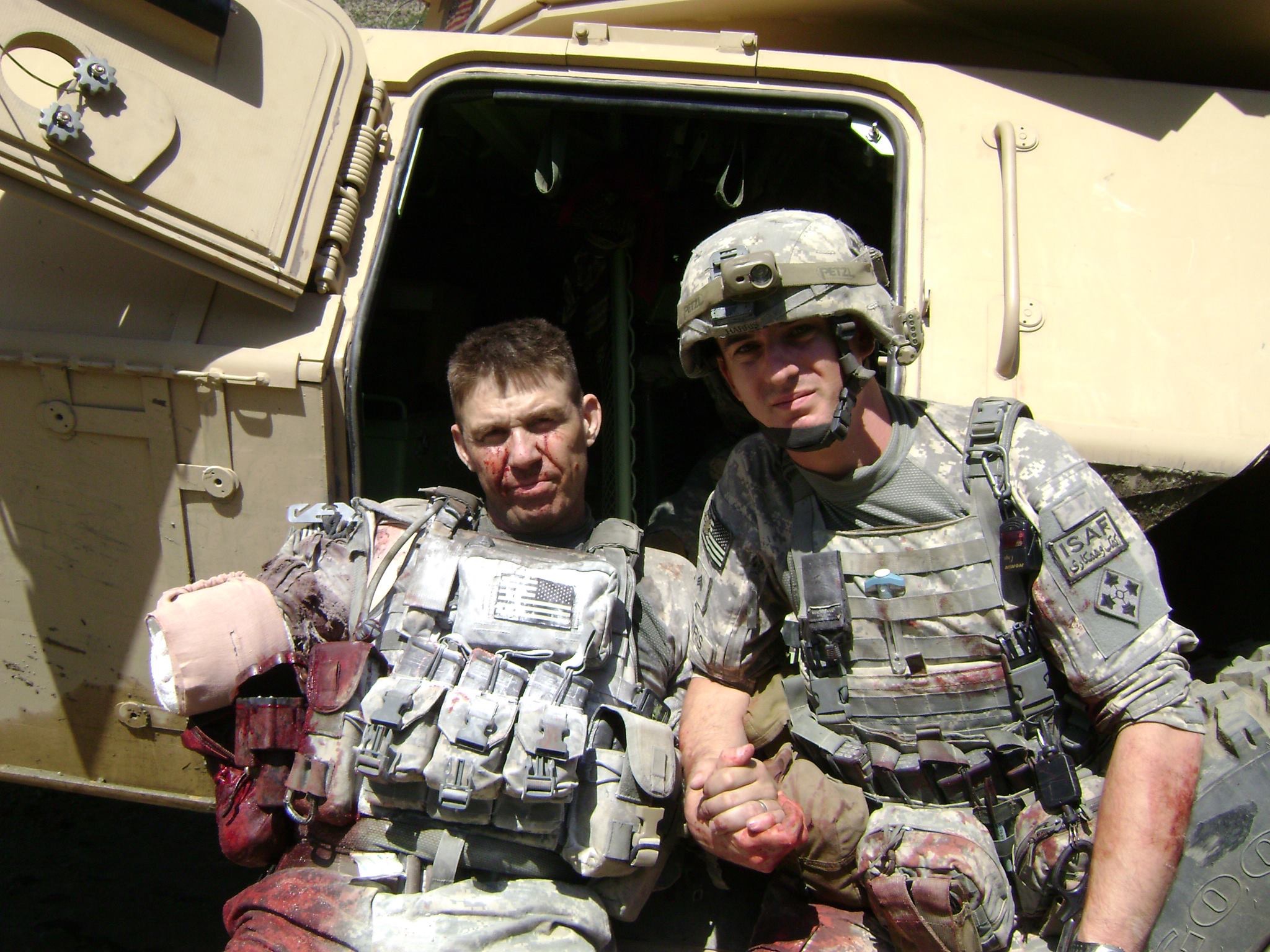
His body tingled. His vision grew blurry. A man with a belt-fed machine gun emerged from the stalks of corn. Somehow, the truck kept moving forward. “Drive. Drive. Don’t stop,” Dervaes said as bullets shattered the windshield.
He spent eight months recovering at an Army hospital in San Antonio, Texas, then returned to Fort Carson, Colorado, just as his unit got back from Afghanistan. He and the driver finally had time to look back. Dervaes longed to fill gaps in his memory.
“Who was screaming?” Dervaes remembers asking.
“It was you,” the driver said.
Like so many Americans, Dervaes battled prescription opioid addiction after his surgeries. He faced a personal crisis, described by many veterans, of adapting to a civilian life that lacks the structure, urgency, and adrenaline soldiers grow accustomed to at war.
He sought thrills as a U.S. Paralympic snowboarder. He and his wife began cave diving. As a volunteer for the nonprofit Team River Runner, he designed prosthetics for adaptive kayaking.
He helped to launch the Colorado Springs chapter of the nonprofit Wounded Warrior Project. He instructs children with disabilities in snowboarding.
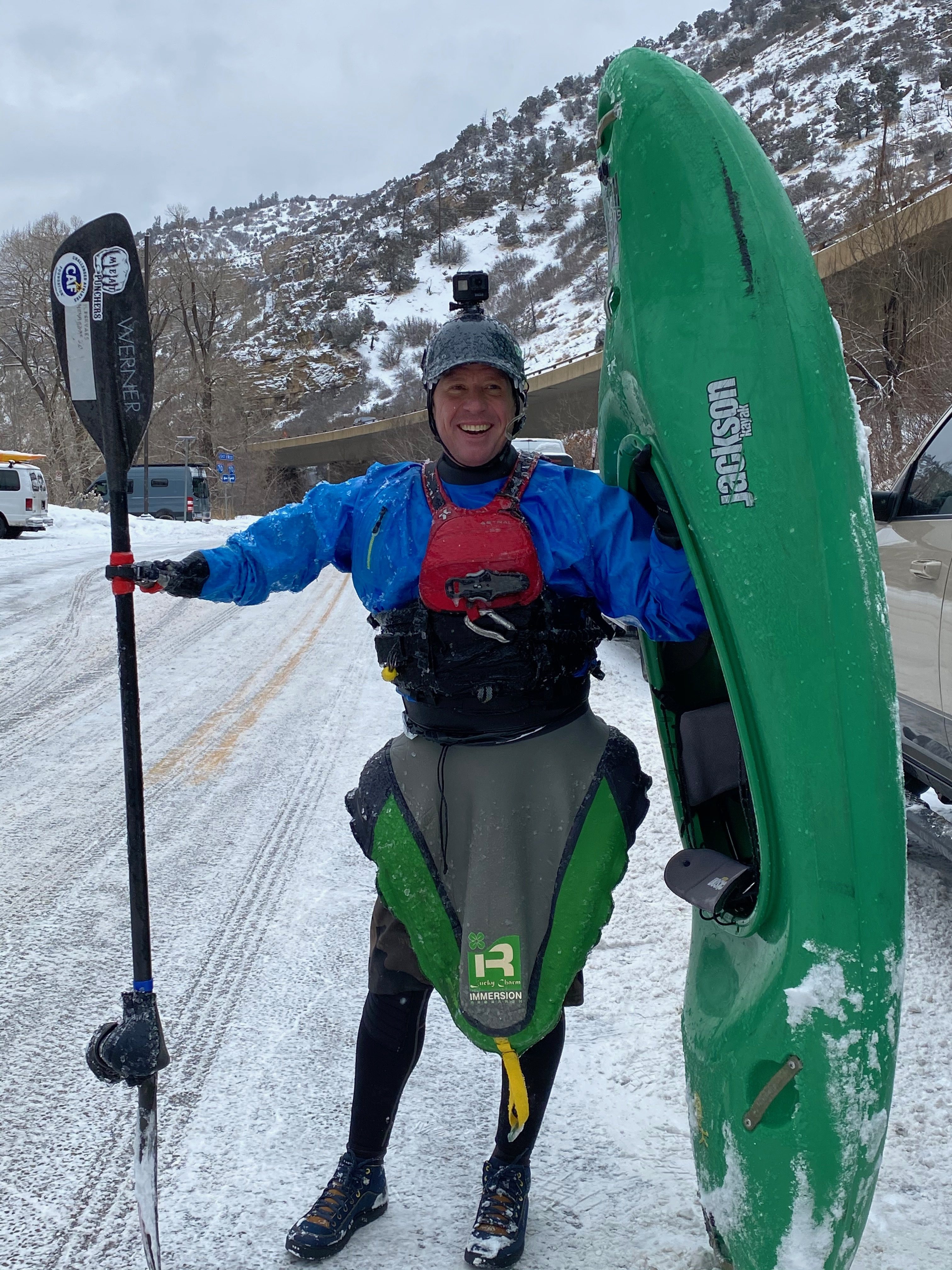
More than a decade of athleticism landed him seven rib fractures, a concussion, a bruised lung, and three surgeries on his left arm, all between 2021 and 2025. So damaged was his left arm, his only arm, that he could hold neither a Voodoo Ranger beer can nor his basset hound puppy Ruby.
The pain led him to spiral.
Hours before traveling to Tijuana, Dervaes paced around the lobby of the Sheraton San Diego Resort. A hotel staffer asked if he was OK.
The night before, his wife blocked the hotel room door to prevent Dervaes from leaving. Sober for three months, a requirement of attending the clinic, Dervaes wanted a drink.
He feared the treatment, a last-ditch effort to address his deteriorating mental health and excessive drinking, would fail.
Two SUVs pulled up in front of the hotel’s entryway fountain. It was a Tuesday morning in early August. Dervaes sat alone in the back seat of one as drivers piled luggage into the trunks.
“How’s it going, man?” asked Brad Banks, a medical device salesman trying to quit drinking, as he slid next to Dervaes. Maintaining his forward gaze, Dervaes barely grunted.
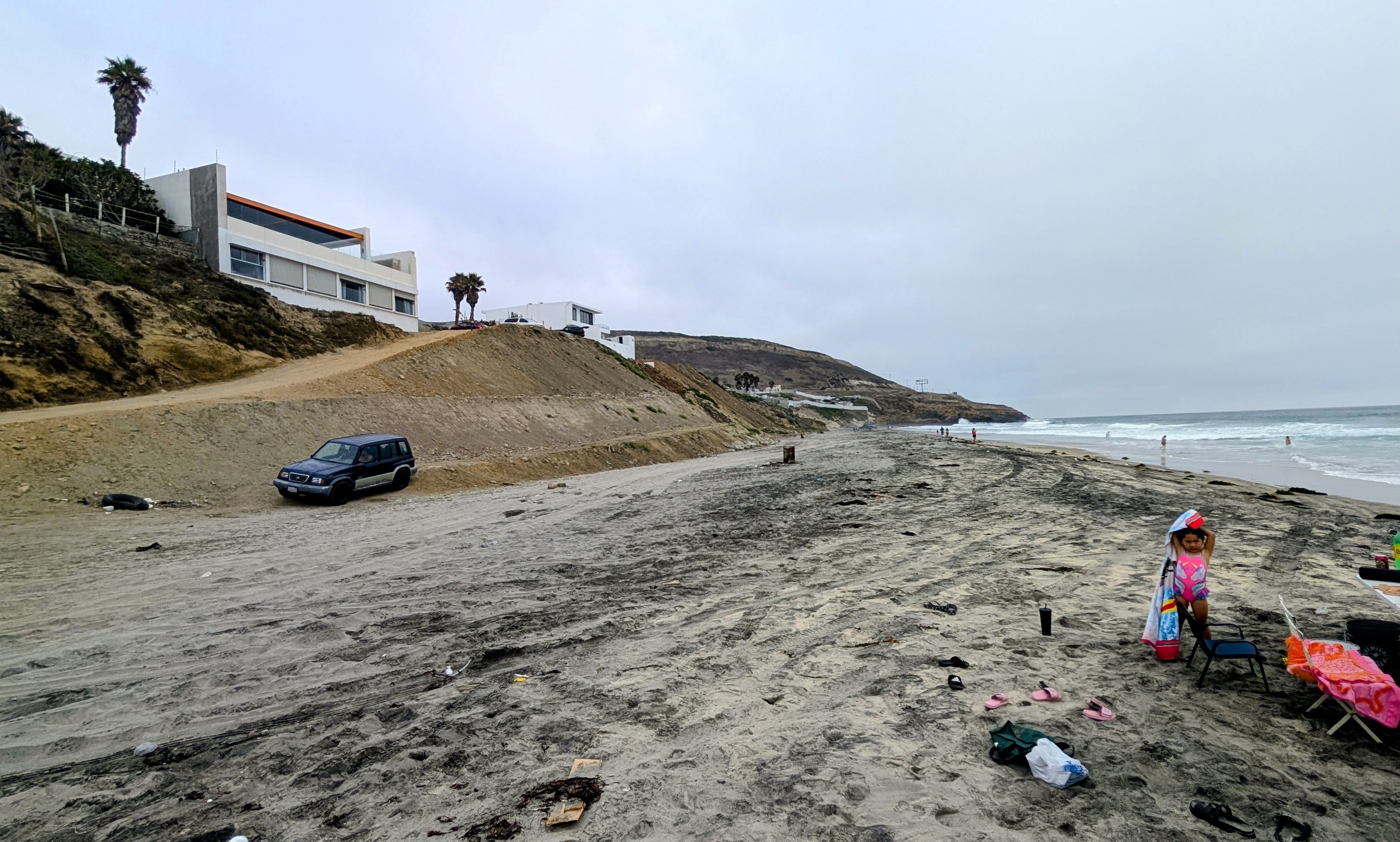
The men rode in silence past the border checkpoints where Mexican officers wore rifles slung across their chests. In the beachside community of Playas de Tijuana, the SUVs turned down an unpaved road.
Across from a cluster of shanties, a concrete wall fortifies the clinic, an 11-bedroom compound where foreigners come and go each week.
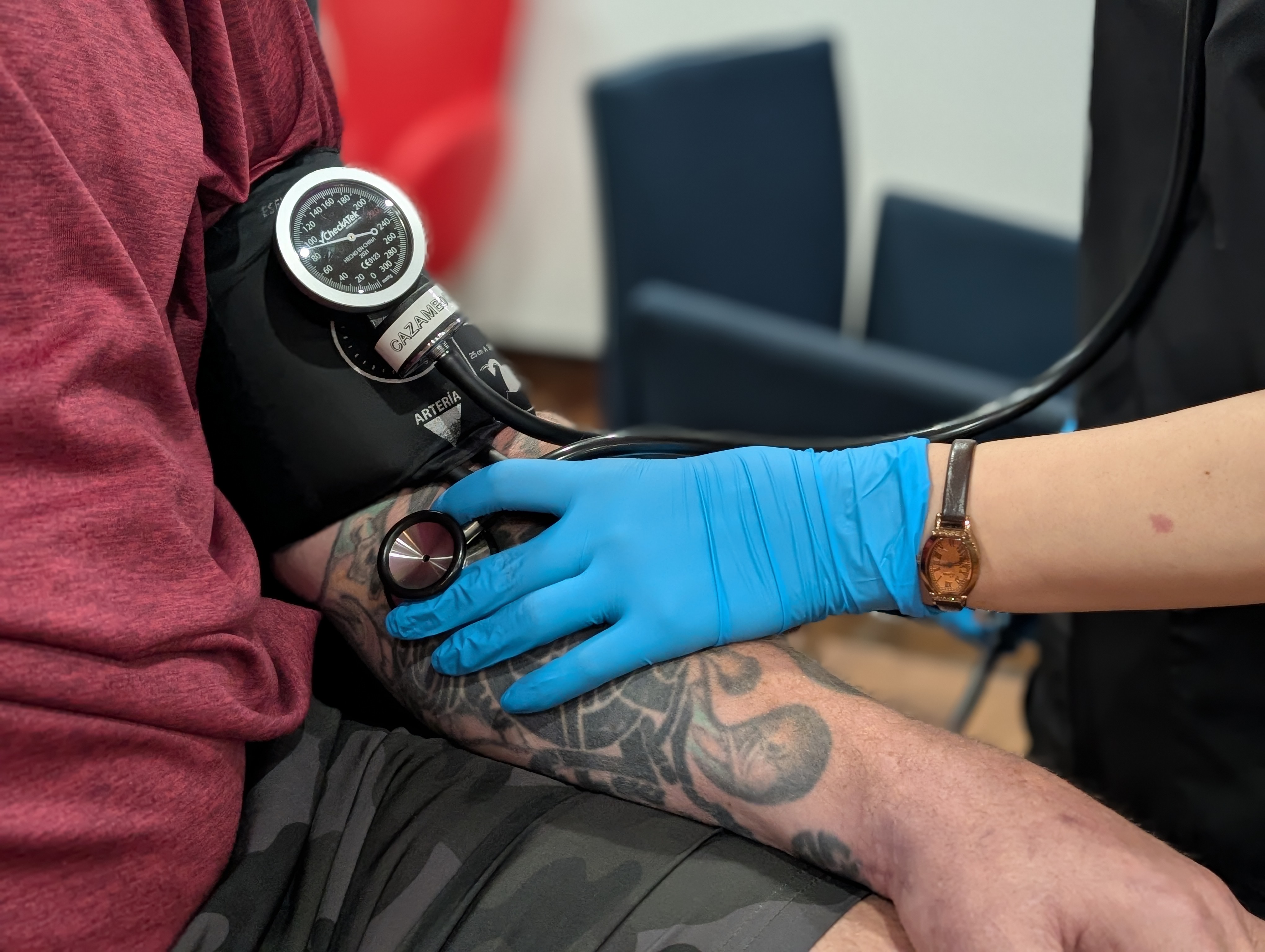
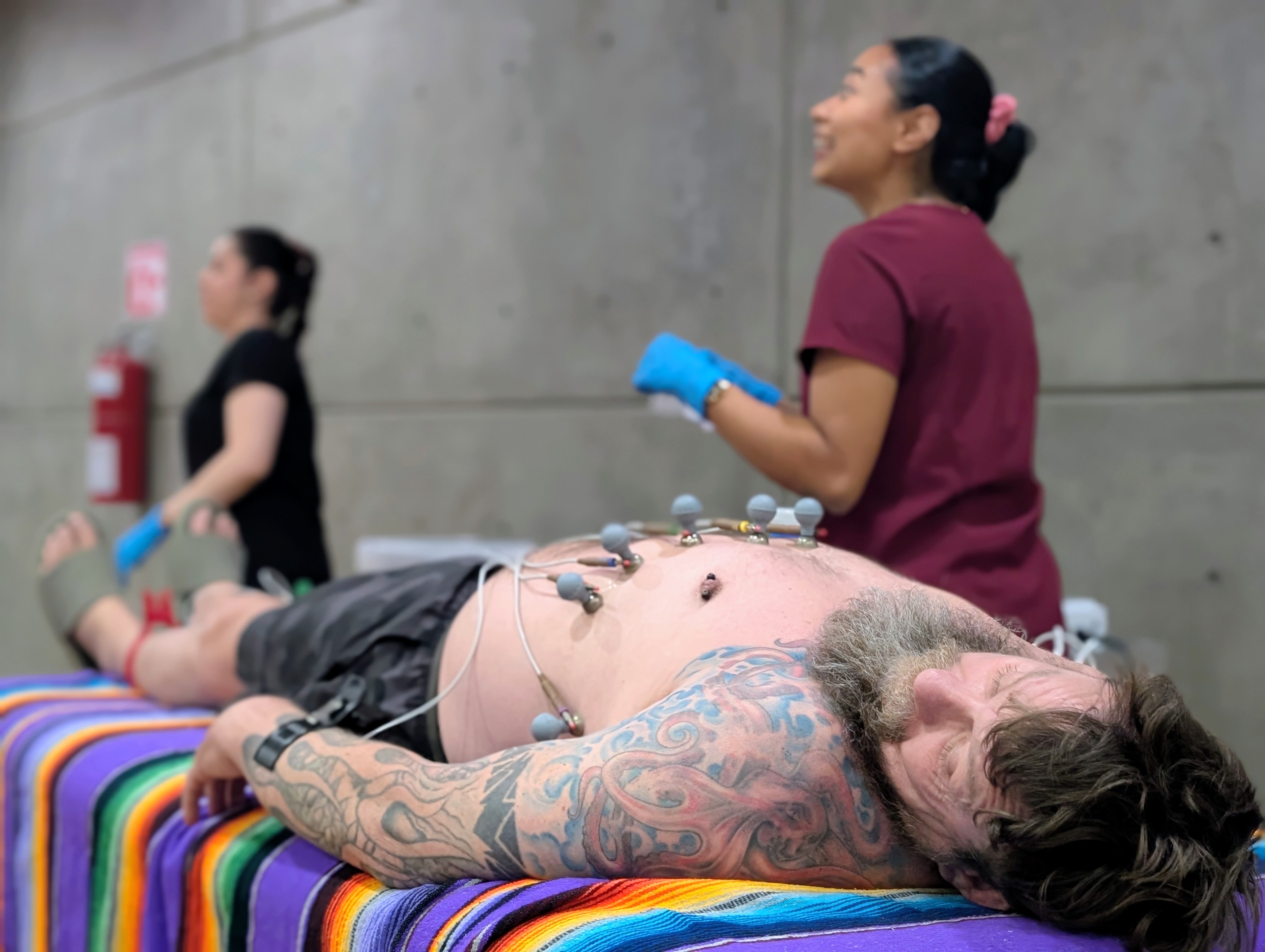
A stay at Ambio starts with an EKG, one of many medical tests the clinic requires to ensure patients are fit for ibogaine. The drug has a narrow therapeutic window, meaning a little more than an effective dose can be toxic. Too much can cause heart arrhythmias.
A 2022 review of literature published on ibogaine found 38 deaths and 20 medical emergencies associated with its use documented in medical literature. In most of those cases, the drug was used to treat opioid addiction. Other emergencies may have gone undocumented given ibogaine’s use in nonmedical settings.
Both ibogaine and 5-MeO-DMT can exacerbate existing mania or psychosis, according to Martín Polanco, a doctor who founded The Mission Within Center in Tijuana.
Three hours after arrival, the men changed into swim trunks and crowded back into the Suburbans. Dervaes’ tough-guy veneer started melting away on the drive to a backyard sweatlodge.
“I think it’s time we discuss sweat lodge etiquette,” he said from the back seat, squished beside two passengers. “No farting in the sweat lodge.”
Few people report enjoying their experience on ibogaine. Many have visions. Some see deceased relatives. To some patients’ chagrin, they see and feel nothing.
People who have taken ibogaine refer to the frequent vomiting during the more than 10-hour trip as “purging” and frame it as part of the healing experience.
The men sat around the large wooden dining table on Wednesday, the morning before they took ibogaine. Over French toast and chicken enchiladas, Isaac Pulido told them he could not predict how they would feel that night.
“Many years of doing this and we still don’t have the power,” he said.
Pulido estimates he has overseen more than 4,000 treatments over the last 16 years. A nurse with a doctorate specializing in intensive care, he oversees treatments at all Ambio’s clinics in Mexico.
“Remember, we come here to get healed. We don’t come here to get high,” he told the men. “But if you get high, oh my God, embrace it. Enjoy it.”
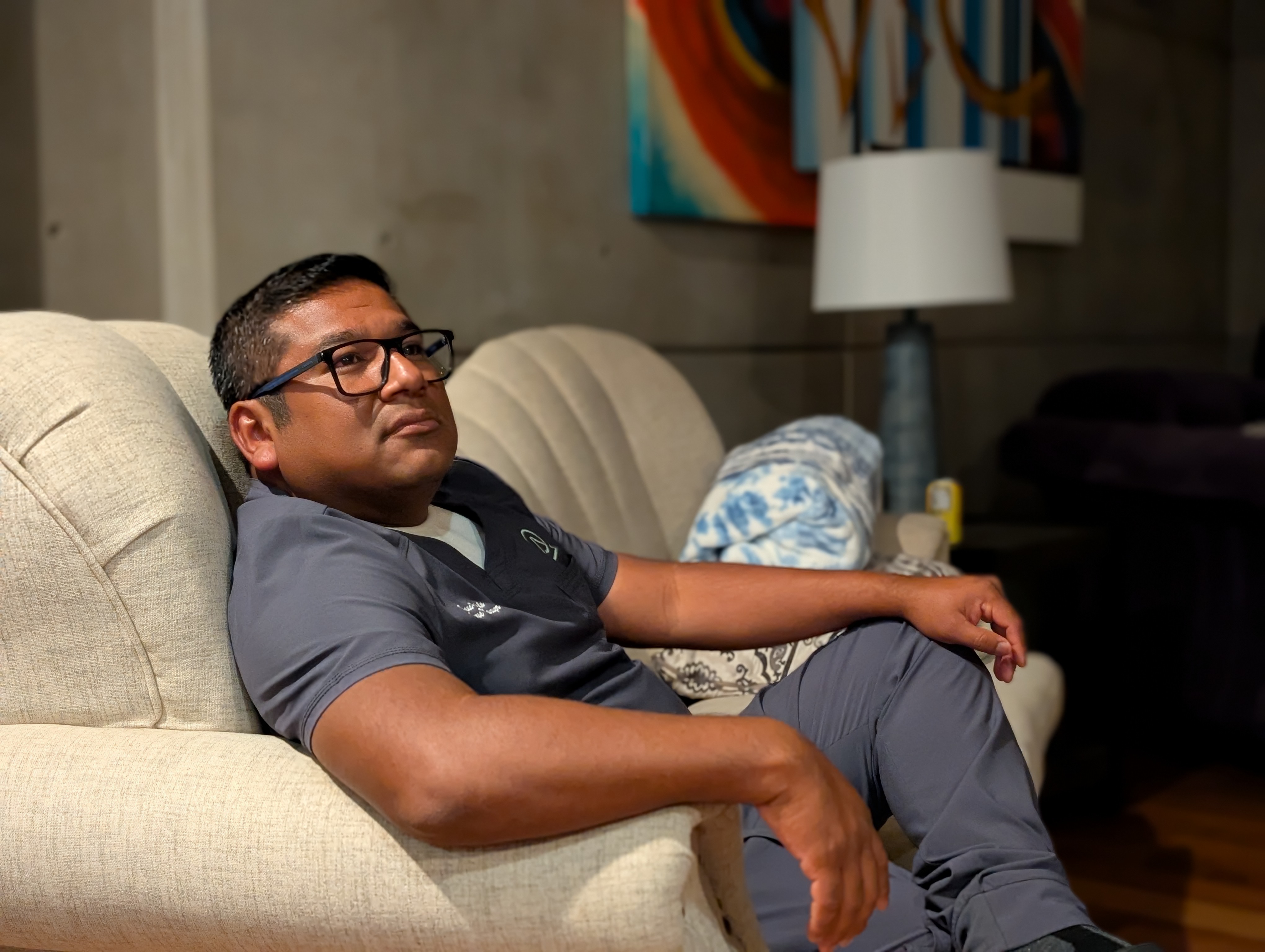
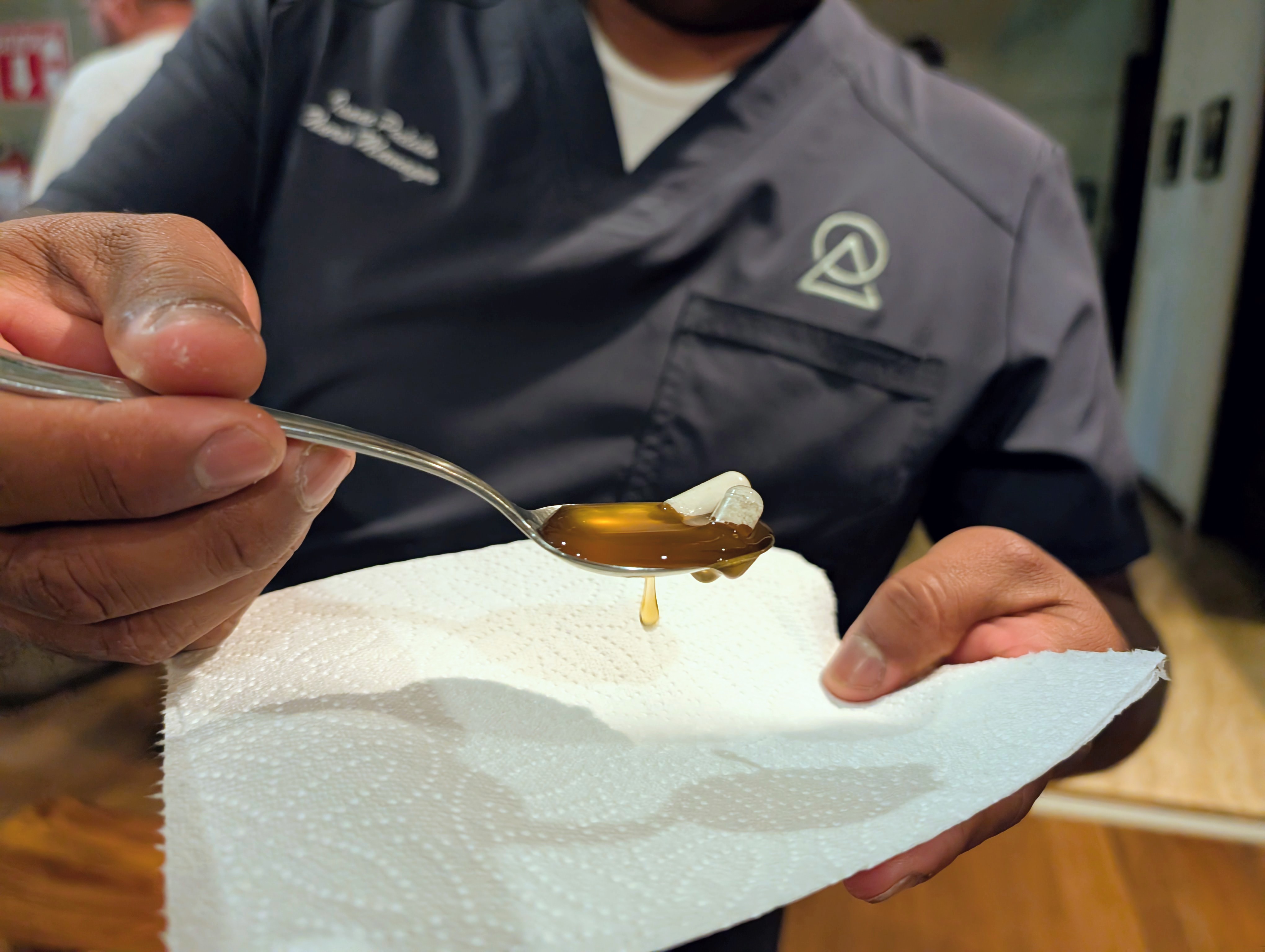
Doses at Ambio vary based on each patient’s body weight. If the person feels nothing after about two hours, they can take a booster pill.
“Remember, we come here to get healed. We don’t come here to get high. But if you get high, oh my God, embrace it. Enjoy it.”
It’s possible that lower, nonhallucinogenic doses have benefits without cardiotoxicity, said David Olson, a professor at the University of California, Davis, and director at the UC Davis Institute for Psychedelics and Neurotherapeutics.
But a lot of people who take hallucinogenic drugs want to trip out and end up disappointed if they don’t.
“They expect to see unicorns and all that shit,” Pulido said in an interview.
Dervaes did not see unicorns.
Around 10 p.m. that night, the men had swallowed their third pill. They collected pillows and descended stairs to the clinic’s treatment room. Twin mattresses lined the walls, each with a mirror propped in front of it.
The men sat cross-legged on the edge of their mattresses like preschoolers getting ready for nap time. They shook rattles and stared in their mirrors. Over the next hour, lo-fi music gave way to a chaotic mix of plucked string instruments, traditional ceremonial Gabonese music.
Six nurses, two paramedics, and two doctors kept watch over the patients, who wore heart monitors throughout the night.
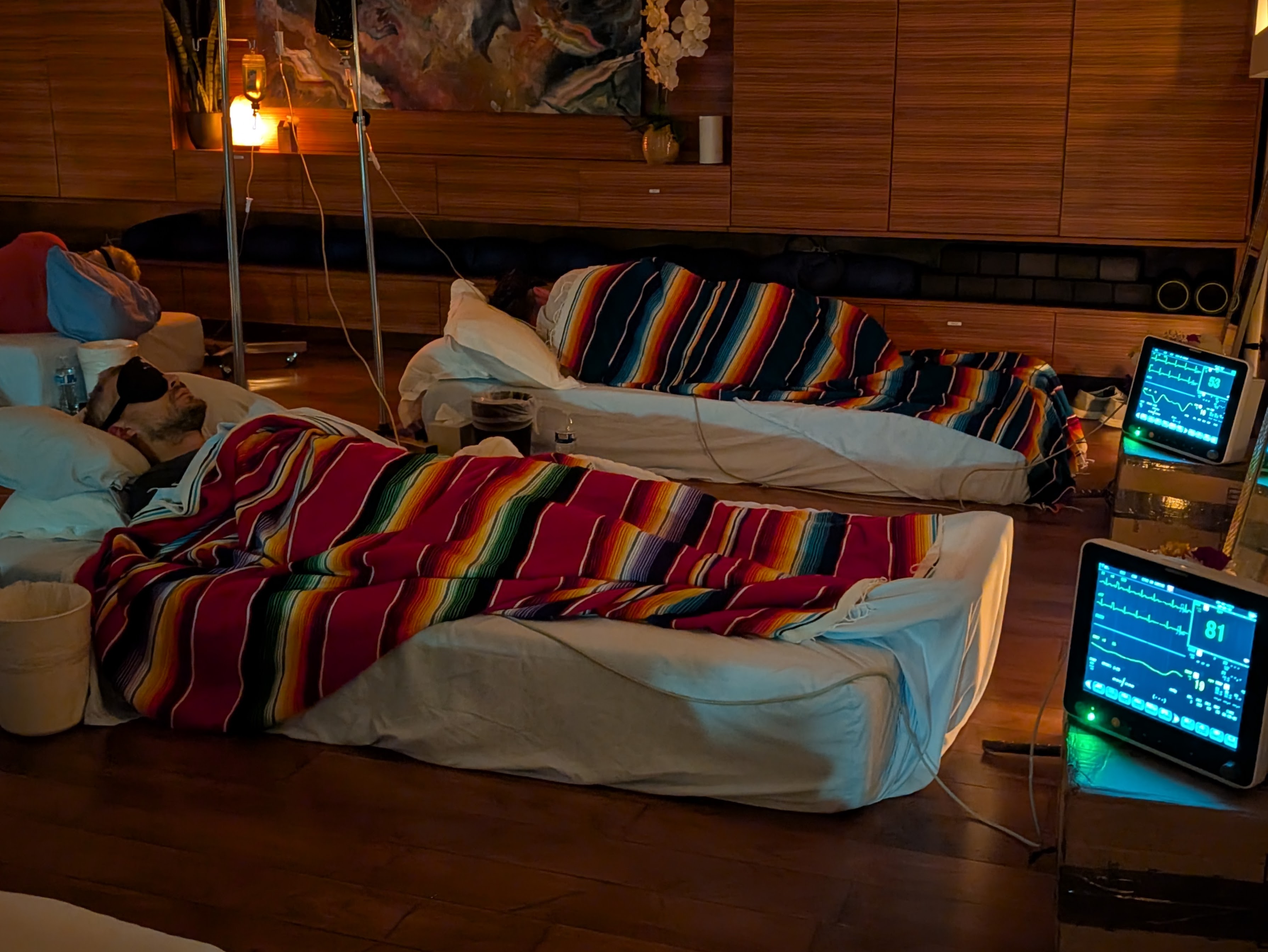
As Dervaes shook his rattle, his reflection showed him something evil, as he recalled 36 hours after his ibogaine trip. He tried to smile or change his expression. He slid on an eye mask and lay back to visions he feared would continue all night: wave after wave of people he had wronged. Each time he tried to apologize, a new vision appeared.
The drug exacerbated the severe tinnitus in his left ear. When he lifted his mask, Dervaes saw the room on fire with piles of bodies and people retching.
In the early afternoon the following day, as the drug’s effects waned, Dervaes looked in the mirror. His big brown eyes looked back at him. His downturned and angry brows had vanished.
Ibogaine’s effect on the brain has long puzzled pharmacologists. The drug reduces depression and anxiety and blocks drug withdrawals, said Deborah Mash, a pioneering ibogaine researcher who received FDA approval to study the drug in the mid-1990s.
While ibogaine leaves the blood within 24 hours, its metabolite noribogaine—what the liver creates after processing ibogaine—stays in the body longer. Noribogaine pumps the brain with dopamine, the neurotransmitter associated with mood and motivation. Drug abuse and depression are associated with dopamine deficiency. “You’re helping to restore dopamine homeostasis in the brain,” Mash said.
“The enduring effect is a question that neuroscience hasn’t completely worked out.”
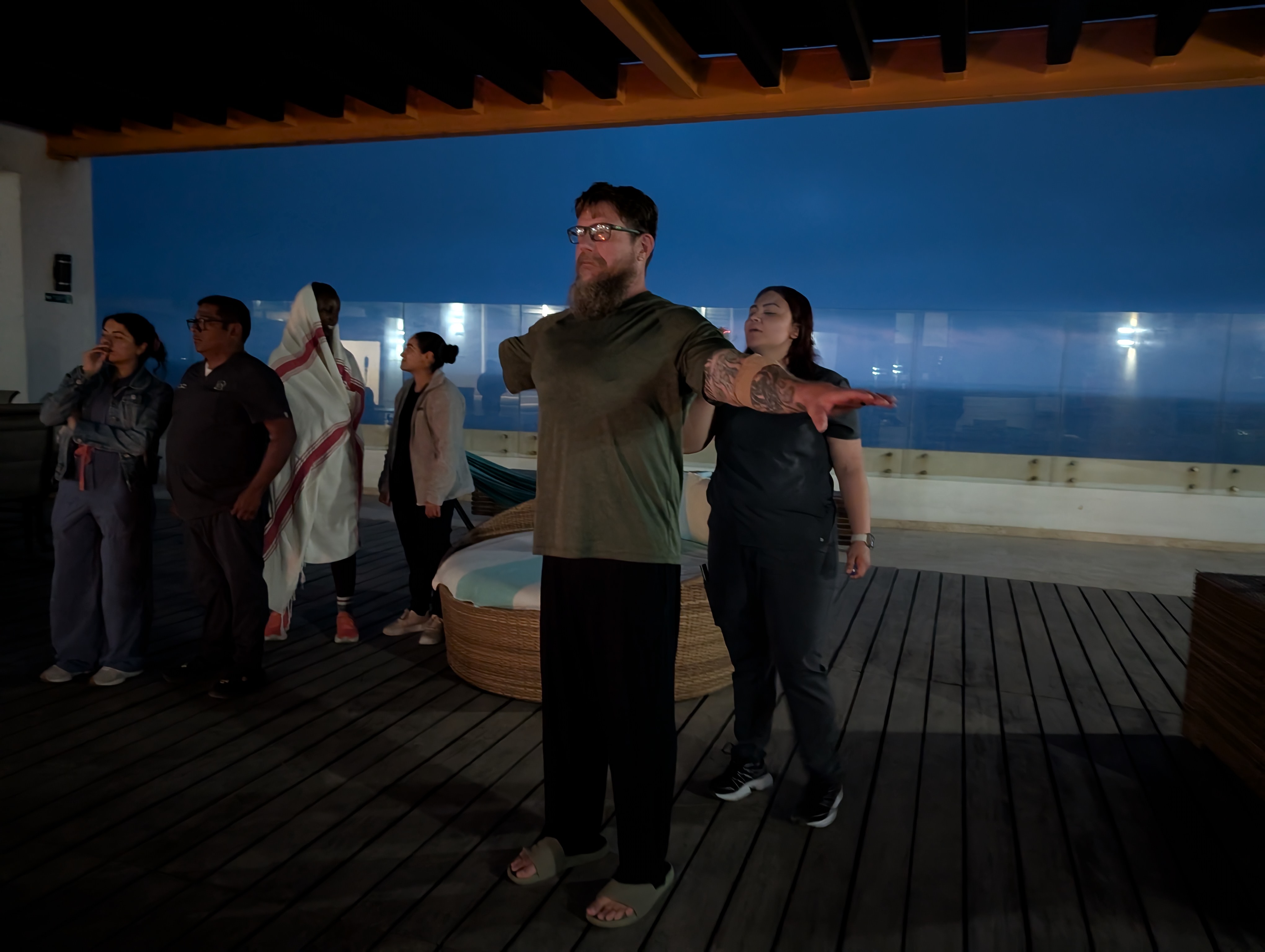
The men ambled back to their rooms around midday Thursday. The sleepover party had ended. Many people experience hangover symptoms after the hallucinogenic effects of ibogaine wear off.
Only a few of the patients made it to breakfast the following morning. After a day of rest, the men would inhale another psychedelic, a synthetic version of 5-MeO-DMT.
The men circled up in the living room around noon on Friday. An Ambio employee’s prelude to the upcoming drug sounded like a warning: “For the people who are going to be here, waiting for their turn,” she said, “if you hear someone screaming for their lives or yelling like they’re about to die or something, don’t worry about it. It’s absolutely normal.”
“If you hear someone screaming for their lives or yelling like they’re about to die or something, don’t worry about it. It’s absolutely normal.”
Controversy exists over whether 5-MeO-DMT should be used in conjunction with ibogaine. “There’s no good medical or scientific reason for that at all,” said Albert Garcia-Romeu, an associate professor of psychiatry and behavioral sciences who studies psychedelics at the Johns Hopkins University School of Medicine.
Dervaes sat in a hallway waiting his turn. He had arrived at the clinic indifferent to others. Now, he couldn’t stop thinking about a fellow patient, a young man whose bad ibogaine trip caused him to cry throughout the night.
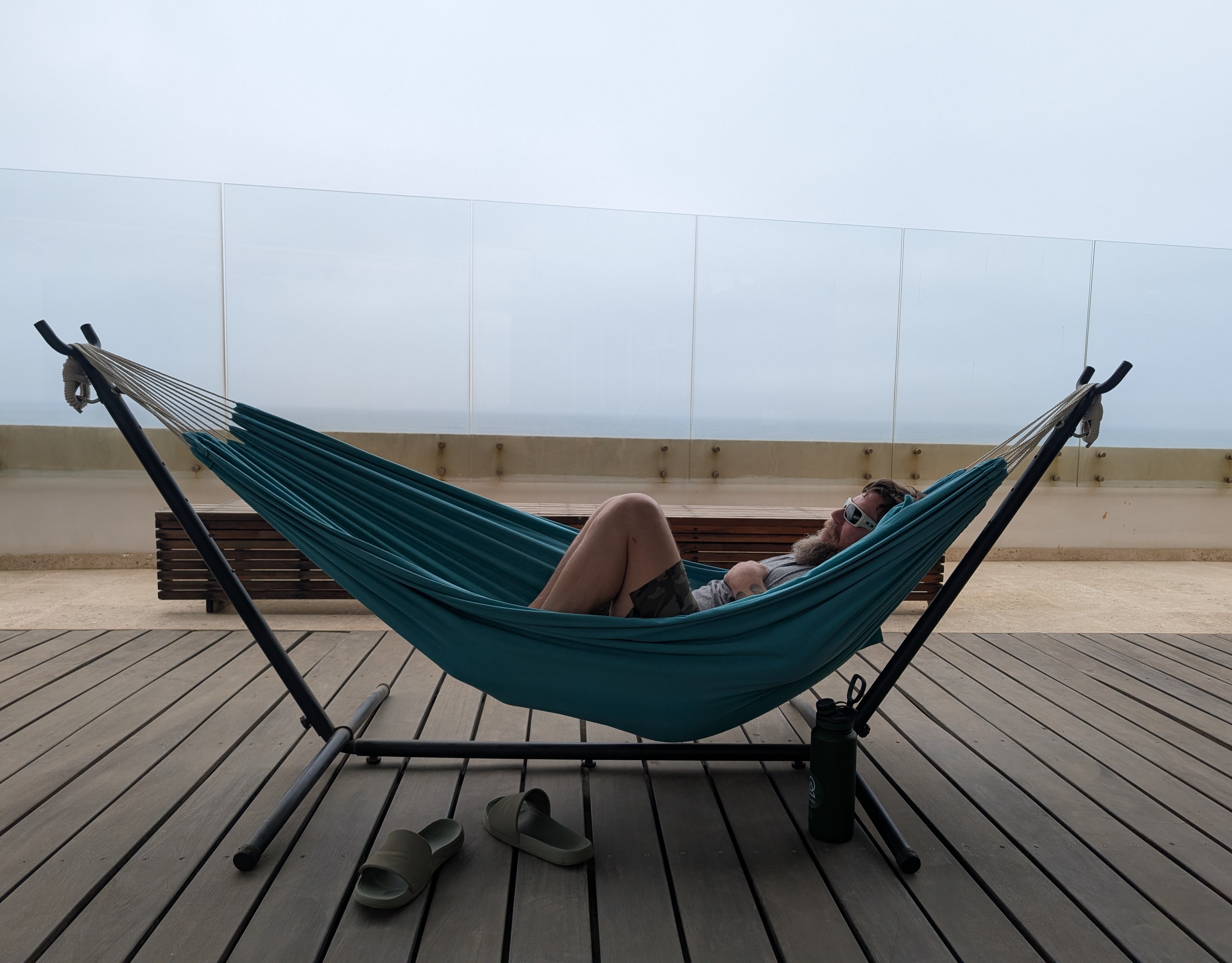
The sounds of wailing traveled down the hallway from a room where another patient, a fellow veteran, took 5-MeO-DMT.
“I have a feeling this is going to hurt,” Dervaes said. “It’s OK. I’ve got to let it go. I have to let all this go. I don’t want to carry it anymore.”
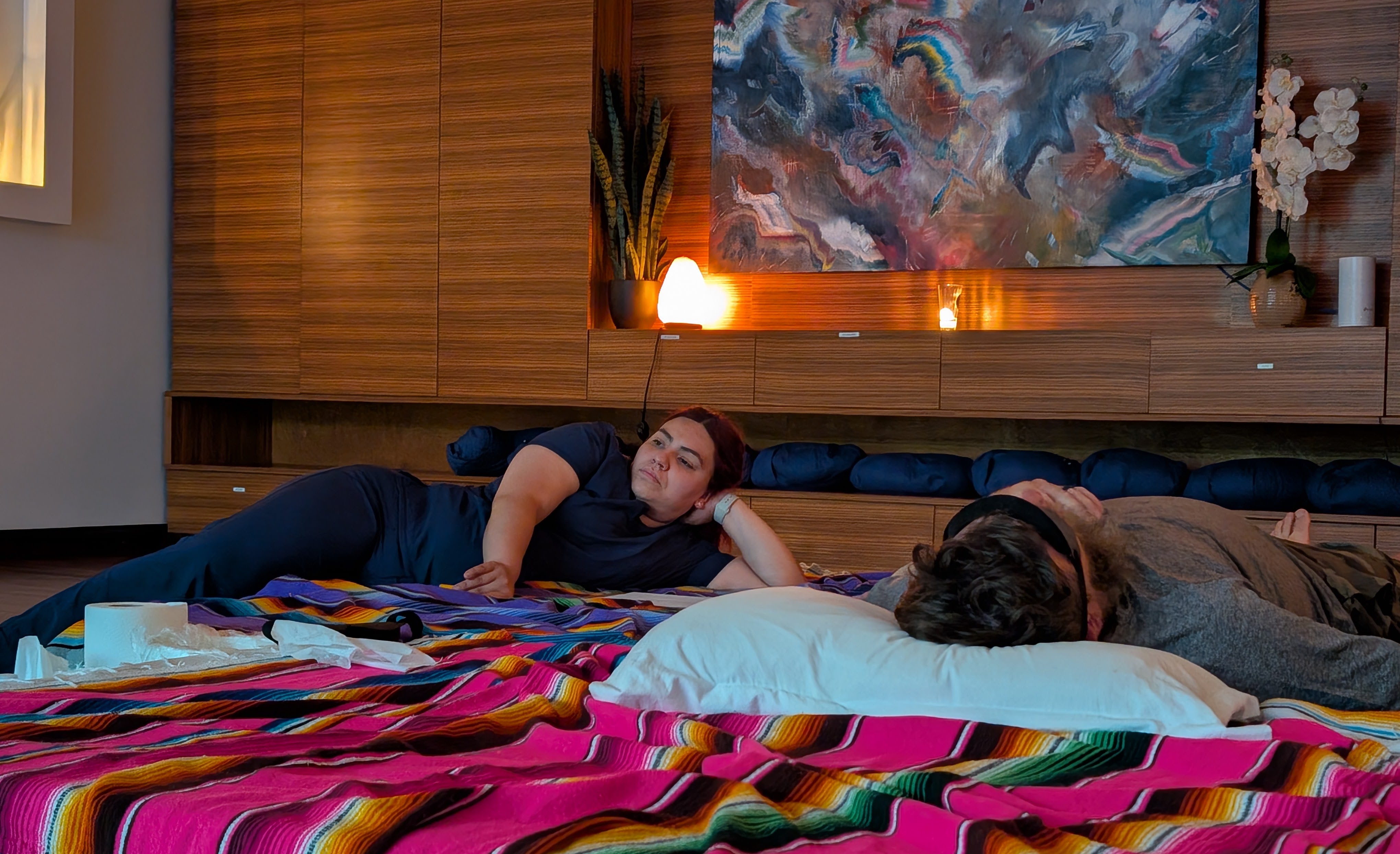
When his turn came, Dervaes sat on a cluster of mattresses covered in serape blankets. He inhaled vapor from a pipe and lay back. In less than a minute, he began to cry. “Holy shit,” he said, starting to sit up before lying back down to convulsions.
Dervaes came out of the trip ready for a second dose. “How do you feel?” the woman asked after he sat up minutes later.
“I feel reborn,” he said, his eyelashes wet with tears.
Five days later, back home in Colorado, Dervaes updated the group on his progress via their Signal chat.
He had gone to Costco.
“I DON’T GO TO COSTCO!” he wrote. “It was amazing, I didn’t feel like I wanted to strangle anyone! There was no anxiety, fear, or anger; I felt safe!!”
If patients experience stress after taking psychedelics, the drugs “can do more damage than good,” according to Gul Dolen, a professor of neuroscience at the University of California, Berkeley.
Dolen’s work found psychedelics reopen “critical periods”—windows when the brain is more sensitive to its environment and more capable of learning during early childhood and other critical periods. In the same way a person who just had open-heart surgery shouldn’t climb stairs, people who take psychedelics shouldn’t expose themselves to traumatic events.
“Think of this as open-mind surgery,” Dolen said.
For Dervaes, the trauma returned less than a month after returning from Ambio. He lost a friend to suicide. The devastation ripped through his community of friends. In a Zoom call hosted by an Ambio counselor with about 30 former patients, frustration mounted. The healing stopped. Dervaes started drinking. “Regression,” he said.
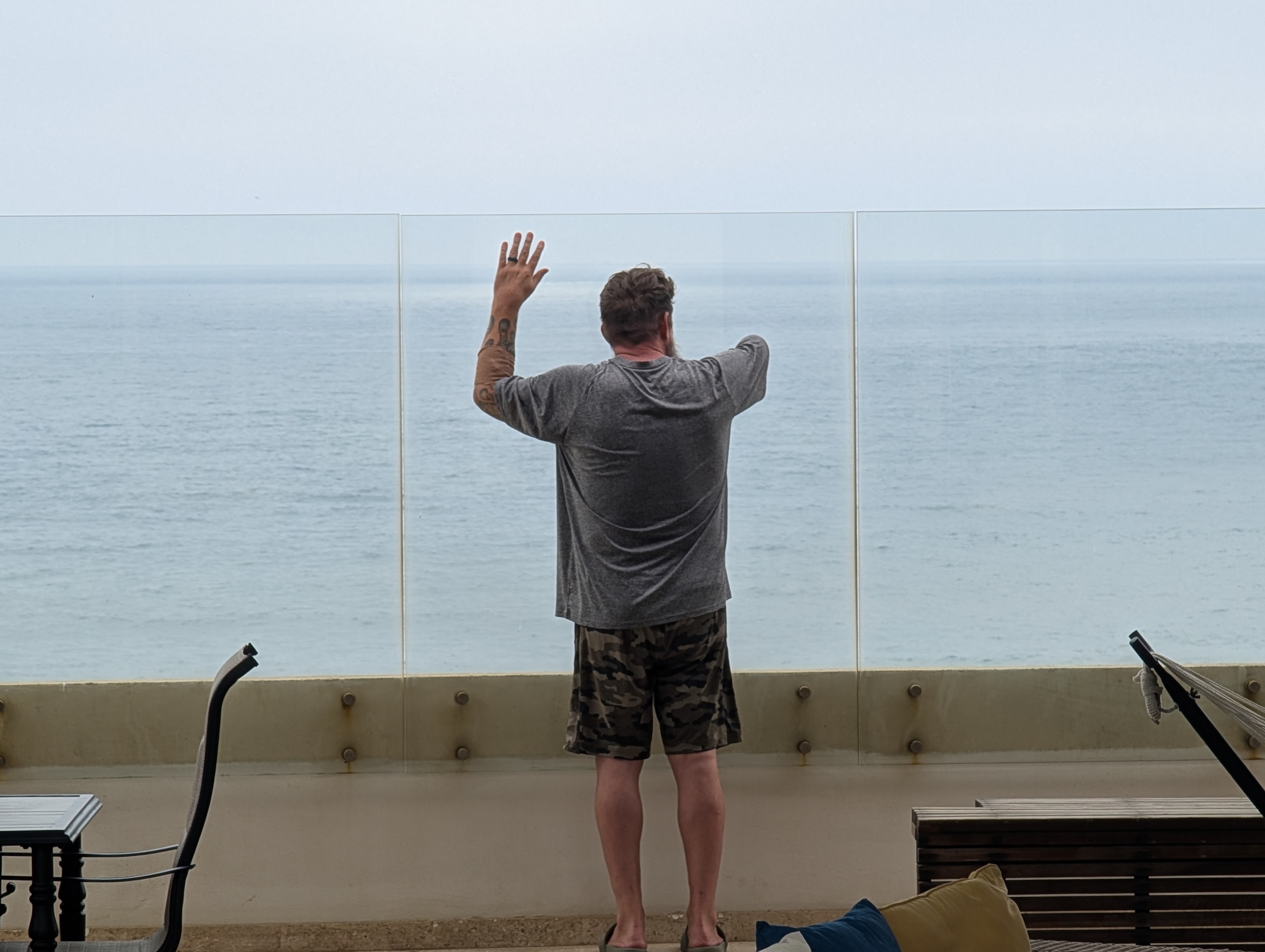
Suddenly, he questioned everything about his ibogaine journey: the healing, the expense, the hope. “I was angry for even going there and wasting my time and money.”
Still, his wife, Michaela, noticed subtle changes. He was showing less rage on the road and making progress on letting things that upset him go. Over the next three months, he read more books than he had willingly read in his life, including A Lifetime at War, about a veteran more severely wounded than Dervaes.
“It was like: Wake the fuck up, man,” Dervaes said, “because you’re not the only one that’s out here hurting.”
Instead of retreating, he would double down. In early December, as the first snow peppered Colorado Springs, Dervaes packed his bag. Like a growing number of Ambio’s patients, he was returning. Things fell into place quickly. A spot became available at the clinic. A nonprofit agreed to sponsor his trip.
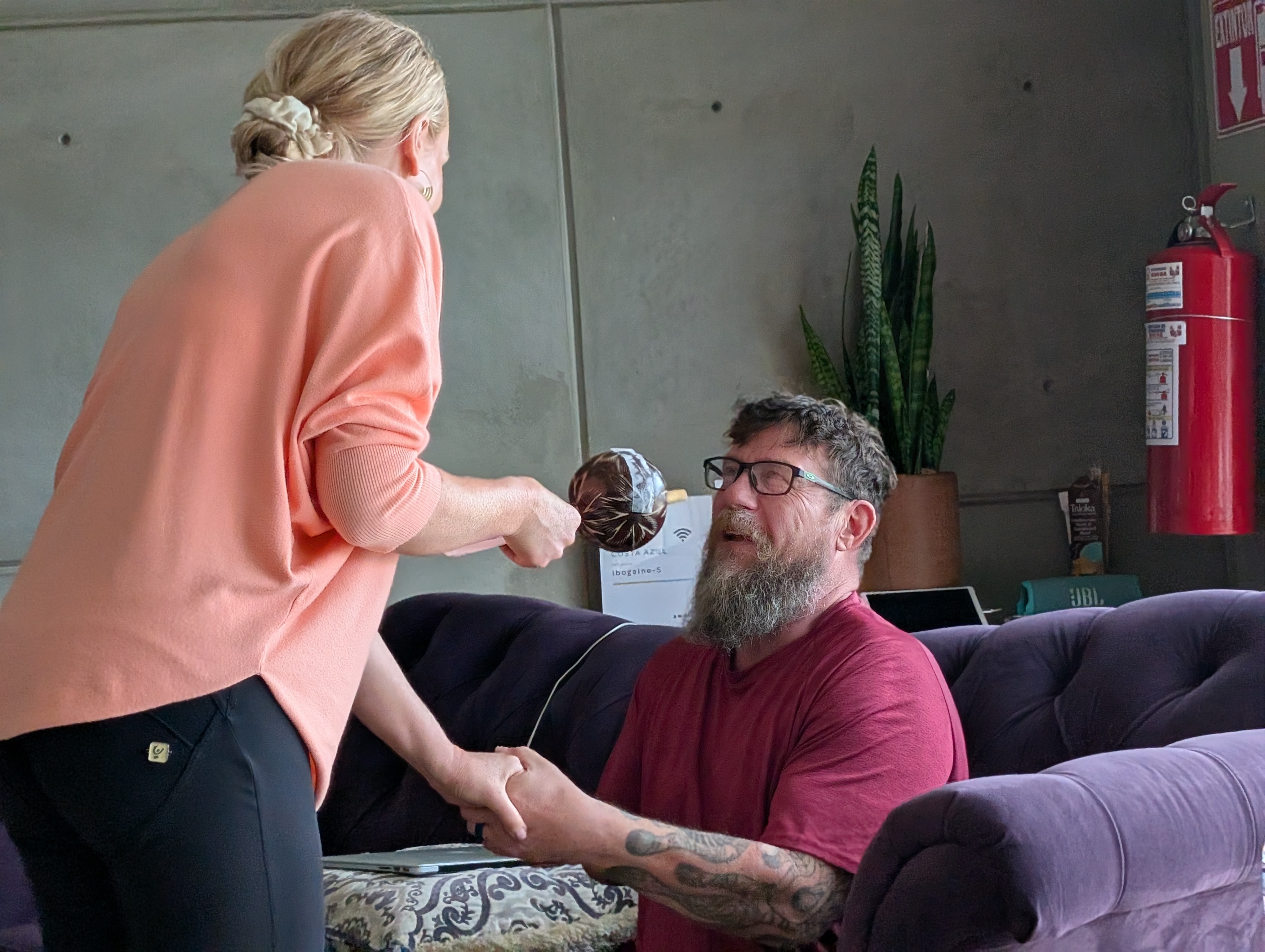
At a fireside ceremony before taking ibogaine for a second time, Dervaes vowed never to touch alcohol again. He has new goals, he said, and the tools to maneuver through life: prayer, meditation, plus treatments like magnetic e-resonance therapy for his post-traumatic stress and traumatic brain injuries. He said he might go back to Ambio again.
Michaela Dervaes met her husband at the San Diego airport as he returned from his second trip to Mexico. She looked into his face. The soft eyes and smile were back. The ups and downs have left her exhausted.
“Even though everything seems wonderful right now, there could be just something happening, and it’ll go downhill,” she said. For now, she is hopeful. She sees how hard he is trying. “With this new treatment, I’m thinking we’re at peace.”
This War Horse news story was edited by Mike Frankel, fact-checked by Jess Rohan, and copy-edited by Mitchell Hansen-Dewar. Hrisanthi Pickett wrote the headlines.


